Building Sustainable Marine Ecotourism Governance Through Tourist Preferences and Behavioral Analysis
2 weeks ago
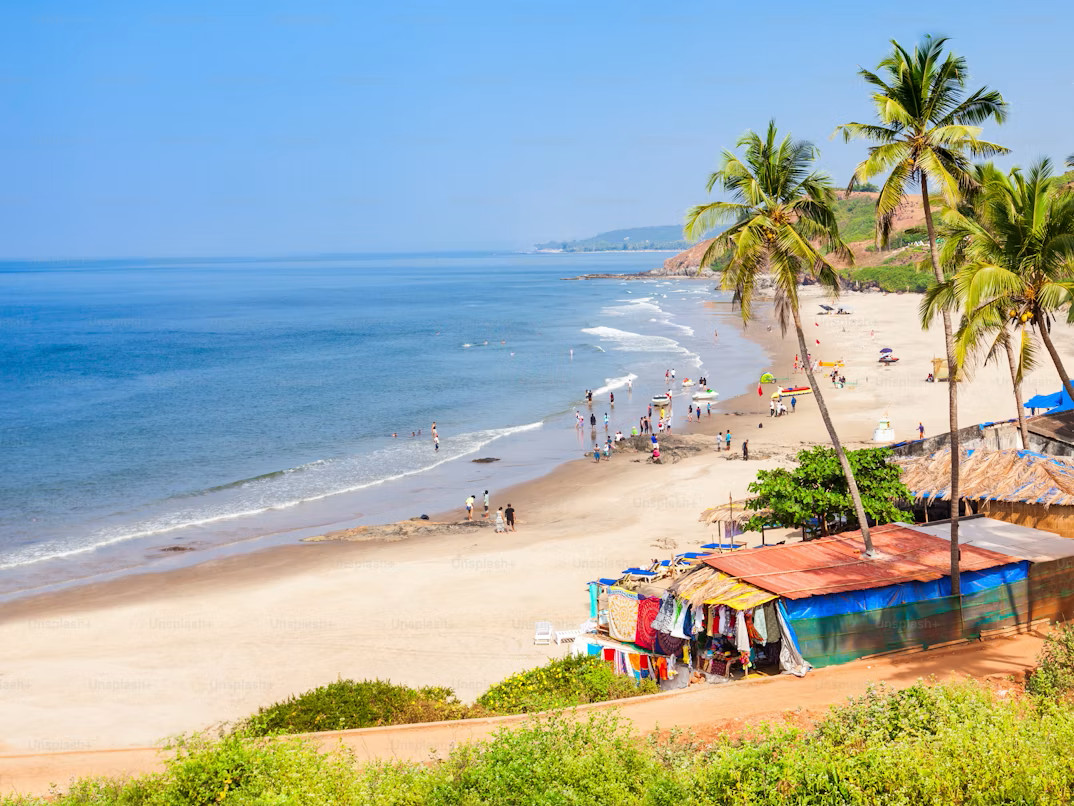
One of the fastest-growing sectors in global tourism is marine ecotourism, which offers a combination of natural resource conservation, coastal community empowerment, and marine-based economic development. The development of marine tourism is closely linked to the achievement of SDG 14, which ensures benefits for host countries through the sustainable use of marine tourism resources.
Indonesia, as the world's largest archipelago, possesses immense marine ecotourism potential ranging from coral reefs and mangrove forests to traditional fishing areas rich in local cultural value. However, this vast potential has not yet been fully matched by adequate governance, particularly in coastal areas where management remains unplanned.
Effective marine ecotourism governance cannot be built solely on environmental regulations. Tourism is a human-driven activity; therefore, understanding tourists' preferences and behaviors is a crucial foundation for designing relevant and practical policies. A study by Nurhayati et al. (2023) directly addresses this challenge by analyzing tourist behavioral factors as the basis for sustainable marine ecotourism management along the southern coast of West Java.
Understanding Tourist Behavior : What Factors Drive Visits to Marine Ecotourism Destinations
The method used was Partial Least Squares-Structural Equation Modeling (PLS-SEM) with 100 respondents at various marine ecotourism sites along the southern coast of West Java. Nurhayati et al. (2023) identified eight variables that significantly influence tourists' decisions when choosing marine ecotourism destinations. These include income, education level, travel distance, accessibility, accommodations, infrastructure, information from social media, and security and safety. All variables showed statistically significant results, with the overall model achieving a good level of fit based on five Goodness of Fit parameters, including a Comparative Fit Index value of 0.94 and a Root Mean Square Error of Approximation of 0.060.
In addition to internal factors, income and education level each recorded coefficients of determination of 0.84 and 0.64, respectively, indicating a significant influence on destination choice. Young travelers aged 15 to 25 mostly high school or college students with monthly incomes below Rp3,000,000 constitute the dominant traveler profile in this study. These findings suggest that marine ecotourism along the southern coast of West Java currently appeals to a segment of travelers who are price-sensitive yet possess strong experience-based motivations. From a governance perspective, this profile opens opportunities to integrate environmental education and conservation messages directly into the tourism experience, in line with ecotourism principles that emphasize visitor learning and participation as part of its conservation value, as explained by the International Ecotourism Society. Travel distance and accessibility also show a significant influence, with coefficients of determination of 0.71 and 0.61, respectively, representing one of the external factors. However, this study found that respondents still consider the availability of transportation to tourist sites to be inadequate, indicating that natural attractions alone are not enough to overcome structural barriers such as suboptimal transportation infrastructure.
From Behavioral Data to a Governance Framework: Bridging Science and Policy
The translation of tourist behavior data into concrete governance recommendations represents the most significant contribution. This study situates marine ecotourism governance within a socio-ecological framework, emphasizing that coastal zoning must simultaneously consider both ecological carrying capacity and the socioeconomic characteristics of visitors and local communities. This approach builds upon a framework previously developed in a study on sustainable marine ecotourism in the Pangandaran region by the same research group, which also emphasized the importance of synergy between ecological and socio-economic aspects.
Among all the variables analyzed, security and safety recorded the highest coefficient of determination at 0.81, making them the strongest predictors of tourists' decisions. This finding has significant governance implications, as tourists' perceptions of safety including the management of natural hazards such as waves and currents, as well as the availability of safety facilities directly determine a destination's competitiveness. Furthermore, the strong influence of social media information, with a coefficient of determination of 0.61, confirms that a destination's digital reputation now functions as an informal governance signal that helps shape tourists' perceptions and decisions. This study also found that although West Java's marine ecotourism areas already have a formal zoning framework, its implementation on the ground has been lacking, as has the diversification of tourism products. This implementation gap underscores the need for active collaboration among stakeholders including local governments, local communities, and tour operators so that existing governance frameworks can truly operate sustainably.
Based on the findings of this study, which show that the sustainability of marine ecotourism depends on how well management policies are able to respond to tourists' actual behavior, rather than merely setting ecological limits. Prioritizing safety and security, improving transportation accessibility, and strategically utilizing social media as a communication tool for destinations are concrete steps that coastal area managers can adopt immediately. Moving forward, integrating the science of tourist behavior into coastal policy design will provide a methodologically sound path toward realizing an ecotourism system that is ecologically resilient, economically viable, and socially equitable for Indonesia's coastal communities.
image source:
https://unsplash.com/id/foto/pemandangan-panorama-udara-pantai-vagator-atau-ozran-di-goa-utara-india-SI9OBANtEx0
Writer: Sadila Ismaulanie