The Blue Carbon Paradox : When Seagrass and Seaweed Ecosystem Emit Methane Instead of Sequestering Carbon
1 month ago
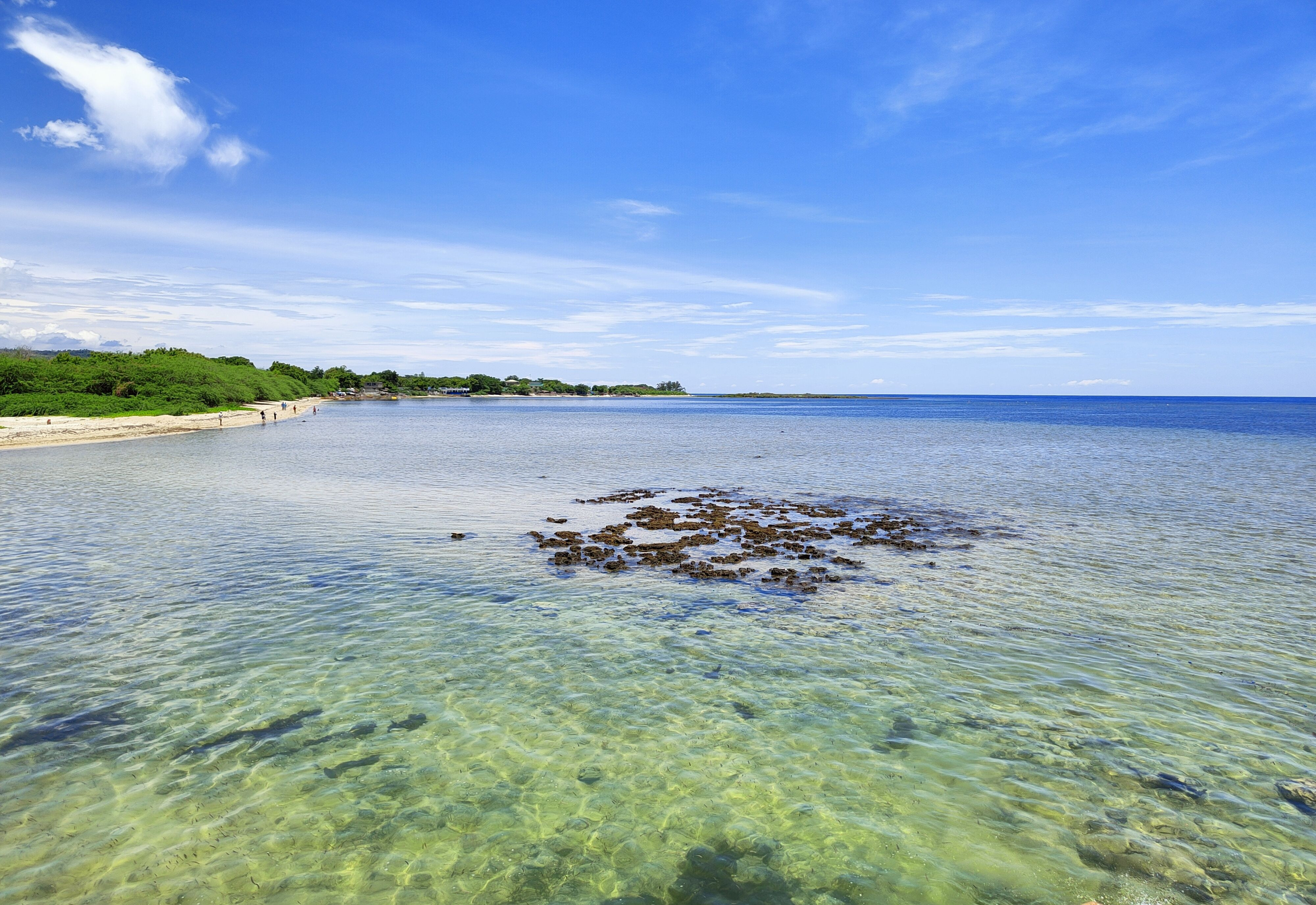
For decades, coastal vegetated ecosystems, including seagrass meadows, mangroves, and macroalgae, have been celebrated as powerful natural carbon sinks. Under the framework of "blue carbon" these ecosystems are vaulted for their ability to absorb and store atmospheric carbon dioxide (CO2) at rates far exceeding those of terrestrial forests. This recognition has driven the conclusion of blue carbon ecosystems in international climate mitigation strategis, carbon credit markets, and conservation policy frameworks worldwide. The logis appeared straightforward, protect and restore coastal vegetation, and the ocean will do the rest 28 to 80 times greater than .
However, recent evidence is beginning to fundamentally complicate this narrative. Although the potential for CO2 uptake in vegetated coastal zones remains scientifically valid, the net greenhouse gas balance of these ecosystems is far more complex than previously realized. Methane (CH4), a greenhouse gas with a global warming potential approximately CO2 over different time scales, is increasingly being detected in coastal waters at concentrations far exceeding atmospheric equilibrium levels. Aquatic ecosystems, including coastal zones, account for about half of all global methane emissions, with shallow coastal environments contributing disproportionately to this total due to high biological productivity and dynamic sediment conditions. Understanding where this methane comes from, and what drives its production, has become one of the most pressing questions in modern marine biogeochemistry.
The researchers demonstrate that sandy coastal sediments serve as a habitat for oxygen-tolerant methanogenic archaea, which are capable of actively producing methane even under frequently oxygenated conditions, with their activity directly driven by metabolites released from seaweed and marine algae. This finding not only adds nuance to the underlying assumptions but also has profound implications for how we model coastal carbon budgets and design nature-based climate solutions
Rethinking the Oceanic Methane Paradox: Archaea in Oxygenated Sands
The so-called "oceanic methane paradox" refers to a long-observed phenomenon involving excess concentrations of methane in oxygen-rich surface waters, even though the classical understanding holds that methanogenesis the biological production of methane is strictly limited to anoxic (oxygen-free) environments. For years, this paradox has been explained through alternative mechanisms namely, aerobic bacteria degrading methylphosphonate compounds, a process not yet resolved in marine phytoplankton, or the seepage of methane-rich groundwater into coastal zones. Methanogenic archaea, the microorganisms traditionally responsible for biological methane production, were largely considered to play no significant role in nearshore emissions, precisely because permeable coastal sediments constitute a dynamic environment characterized by frequent oxygen fluctuations and high sulfate concentrations conditions long considered incompatible with archaeal methanogenesis
Researchers sought to rigorously test this assumption by combining in situ field measurements, laboratory incubation experiments, and metagenomics at various sandy beach locations in Port Philip Bay and Westernport Bay, Australia, as well as Avernako, Denmark. In situ measurements revealed that the surface waters covering these sandy coastlines are consistently and dramatically oversaturated with methane, reaching levels nearly 189,000% above atmospheric equilibrium at some locations. Crucially, the researchers found no correlation between methane concentrations and radon levels, a standard geochemical marker for groundwater input thereby ruling out subsurface seepage as the source. Instead, the highest methane concentrations consistently appeared in surface waters directly adjacent to accumulations of seaweed and marine algae, clearly pointing to macrophyte biomass as the primary driver.
To identify the biological agent responsible, the team used 2-bromoethanesulfonate (BES), an inhibitor that is highly specific to the terminal enzyme in all known archaeal methanogenesis pathways. The complete inhibition of methane production following the addition of BES provides irrefutable evidence that methanogenic archaea, not bacteria, not phytoplankton are the primary source of methane in these sediments. Further substrate addition experiments confirmed that the dominant pathway is methylotrophic methanogenesis, which is specifically driven by methylated compounds including trimethylamine (TMA), dimethyl sulfide (DMS), and methylamine. These methylating substrates are abundant degradation products of osmolytes commonly found in seaweed and algal tissues, such as glycine betaine, choline, and dimethylsulfonopropionate (DMSP). This biochemical link between osmolytes derived from macrophytes and methanogenesis is consistent with findings from researchers, who have also documented that various methylotrophic methanogenic archaea are responsible for increased methane emissions from seagrass beds, driven by the same class of methylated osmolytes. The emerging picture is one of a closely interlinked feedback loop involving decomposing macrophyte biomass releasing methylated metabolites into the sediment pore water, which in turn triggers methane production by archaea at the sediment-water interface.
Aerotolerance and the Climate Feedback Loop
The most scientifically striking aspect of this study is not merely the fact that methanogens are present in sandy sediments, but rather that these organisms have been shown to tolerate oxygen exposure and are capable of restoring methanogenic activity within a very short time after oxygenation occurs. Conventionally, methanogenic archaea are understood to be strict anaerobes whose activity is inhibited upon exposure to oxygen, with recovery taking weeks to months, as documented in systems such as rice paddies and waterlogged soils. The methanogens isolated and characterized by the researchers behave fundamentally differently.
Two new strains, both belonging to the genus Methanococcoides in the family Methanosarcinaceae, were isolated from Shoreham, Australia (strain SH) and Avernako, Denmark (strain DA). Despite their geographical and climatic differences, both isolates resumed active methane production within minutes to several hours after temporary exposure to oxygen levels typically found in well-oxygenated shallow coastal waters. Further flow-through reactor (FTR) experiments showed that repeated cycles of oxygenation and anoxia, designed to simulate realistic tidal conditions, did not inhibit methanogenic activity or growth over several consecutive cycles. This oxygen tolerance appears to be supported by a series of antioxidant systems encoded in the genomes of both isolates, including F420H2-dependent oxidases unique to methanogens, superoxide reductase, catalase-peroxidase, rubredoxin, thioredoxin, and peroxiredoxin. The convergent evolution of these protective mechanisms in geographically distant isolates strongly suggests that aerobic tolerance is an adaptive trait selected for in the dynamic redox environment of permeable sandy sediments.
The climate implications of these findings extend far beyond the study sites. Permeable sandy coastlines account for about 50% of the world's continental margins, yet they are almost entirely overlooked in marine methane calculations and climate models. Estimated methane fluxes calculated from the study sites in Australia range from 0.2 to 540 mg m-2 day-1, with an average of about 23 mg m-2 day-1, a value comparable to, and in some cases exceeding, reported emissions from mangrove forests and salt marshes. Putting these figures into a broader context, researchers established through global ocean modeling that shallow coastal waters are the primary source of marine methane emissions to the atmosphere, accounting for the majority of global methane flux from the ocean to the atmosphere, a conclusion now expanded and mechanistically grounded in the activity of aerotolerant archaea within permeable sediments.
Of particular concern is the link between these methane emissions and ongoing global environmental changes. Eutrophication, the accumulation of excess nutrients in coastal waters due to agricultural runoff and urbanization, is driving increasingly rapid macroalgal growth and more frequent large-scale algal blooms along coastlines worldwide. When this excess algal biomass settles on sandy shores, research indicates that it triggers a more intense surge in methane emissions through mechanisms that have now been identified. The combined effects of eutrophication and warming are particularly concerning when considered together, as they demonstrate across various types of coastal ecosystems that methane emissions from mixed-vegetation sediment systems and macroalgae can substantially offset atmospheric CO2 uptake a process that fundamentally renders these environments valuable as blue carbon sinks. Similarly, projected increases in sea surface temperature are expected to alter the growth dynamics, distribution, and decomposition of seagrasses and marine algae, potentially changing the seasonal and spatial patterns of methane production in ways not yet incorporated into any Earth system model.
Conclusion
This study marks a significant shift in our understanding of the methane cycle in coastal regions. By demonstrating that oxygen-tolerant methanogenic archaea in sandy sediments utilize metabolites from seagrasses and marine algae as an energy source to produce methane even under frequently oxygenated conditions, this study fundamentally challenges the assumption that permeable coastal environments make only a negligible contribution to the marine greenhouse gas budget. When considered alongside supporting evidence, it becomes clear that methane production embedded within vegetated coastal ecosystems is a widespread and systemically underappreciated phenomenon, not an isolated anomaly.
This does not invalidate the scientific basis for blue carbon conservation, but it underscores the urgency of developing greenhouse gas accounting frameworks that incorporate methane emissions alongside CO2 sequestration. As climate policies increasingly shift toward nature-based solutions, this serves as a timely reminder that the biogeochemical complexity of the ocean demands careful measurement and continuous revision of our assumptions.
Image Source:
https://images.pexels.com/photos/8812421/pexels-photo-8812421.jpeg
Writer: Sadila Isamulanie