Marine Ecosystem Crisis and the Challenges of Indonesia’s Maritime Diplomacy in Border Regions
1 month ago
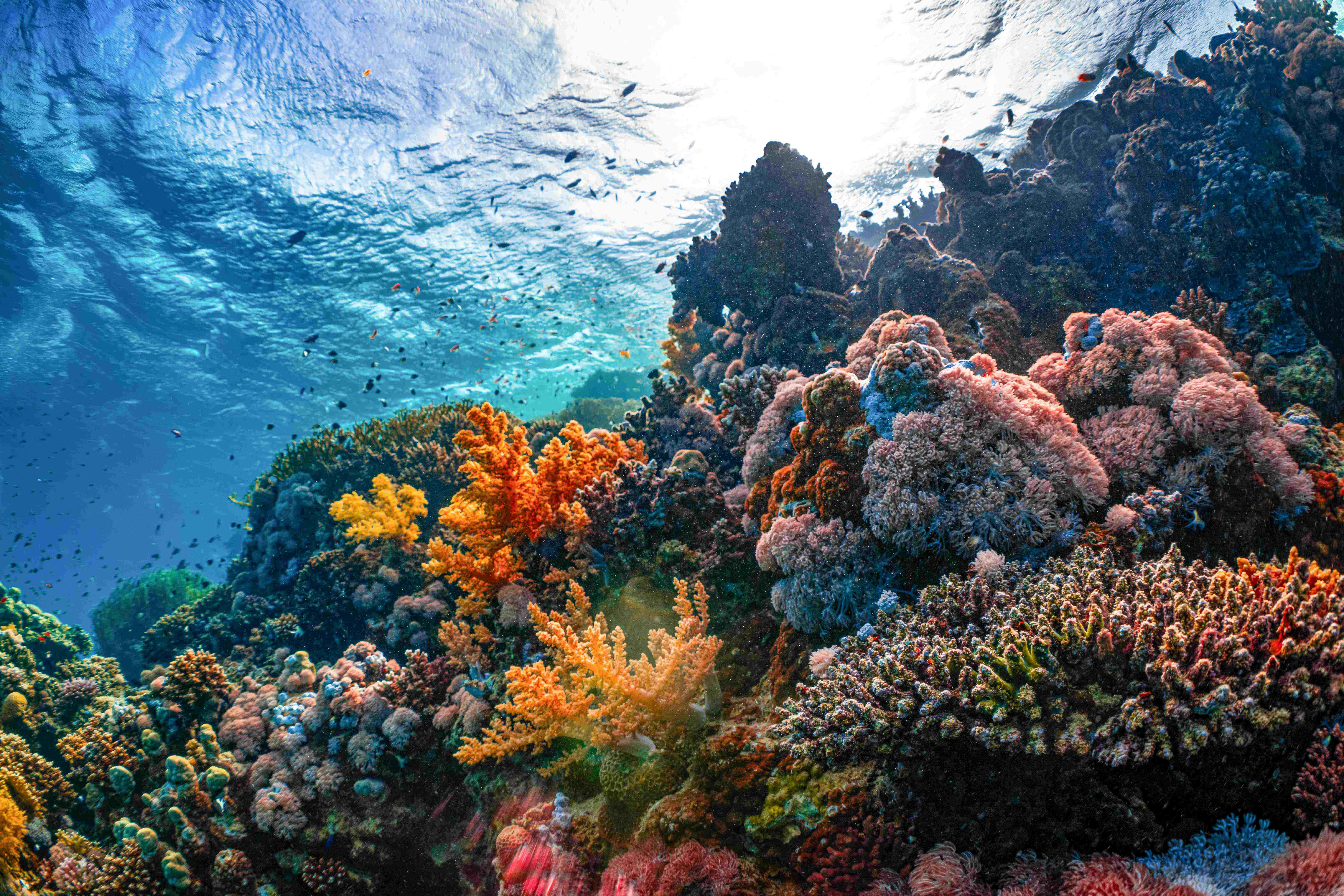
Indonesia's maritime territory, especially border areas such as the North Natuna Sea, plays an important role in maintaining economic stability, national security, and state sovereignty. However, climate change and excessive resource exploitation have put increasing pressure on marine ecosystems in these regions. Impacts such as coral bleaching and the declining quality of coastal areas show that marine environmental problems are no longer related only to ecology, but also to social and geopolitical conditions.
This situation makes it clear that maritime security can no longer rely solely on territorial patrols or military power. The concept of ecological diplomacy has started to gain attention as an approach that connects environmental interests with international relations strategies. If implemented properly, this approach could become a real opportunity for Indonesia to strengthen its diplomatic position while also preserving the sustainability of its marine environment.
Marine Ecosystem Damage and Weak Maritime Governance
Marine ecosystem damage in border regions has become an increasingly serious issue because it directly affects regional stability and the sustainability of marine resources. Rising sea temperatures, uncontrolled exploitation, and various illegal activities in border waters accelerate environmental degradation and disrupt the balance of marine ecosystems. One of the most visible impacts is coral reef damage caused by extreme increases in sea temperature. As water temperatures continue to rise, coral reefs experience coral bleaching, which reduces habitat quality for various marine species. Climate change also increases the risks of coastal abrasion, tidal flooding, and declining fish catches, all of which directly affect the daily lives of coastal communities.
On the other hand, responses to territorial violations, environmental destruction, and maritime threats are often delayed and ineffective. This occurs because Indonesia's maritime governance still faces challenges in inter-agency coordination and marine surveillance systems, including overlapping authorities between institutions. In addition, maritime data that has not been properly integrated further weakens mitigation and response efforts.
Ecological Diplomacy as Indonesia's Maritime Strategy
In addressing transboundary environmental issues, ecological diplomacy has begun to emerge as an important part of Indonesia's maritime strategy. This approach views marine environmental issues not only as conservation efforts, but also as part of political interests and international relations.
The North Natuna Sea is one example that demonstrates the connection between environmental issues and maritime sovereignty. Resource exploitation activities and territorial violations by foreign parties not only put pressure on marine ecosystems, but also influence Indonesia's position within regional geopolitical dynamics. Therefore, marine environmental protection can be utilized as a strategy to strengthen Indonesia's legitimacy in safeguarding its territorial waters.
In addition, regional cooperation plays an important role in supporting Indonesia's maritime diplomacy. Collaboration in marine surveillance, ocean research, and maritime information exchange can help improve integrated marine management. Thus, ecological diplomacy not only contributes to environmental protection, but can also support Indonesia's maritime security and stability in the future.
Marine ecosystem damage in border regions shows that environmental issues have broad impacts on maritime security, regional stability, and international relations. In this situation, Indonesia still faces challenges in the form of weak maritime governance and limited supervision of maritime territories.
Through an ecological diplomacy approach, Indonesia has the opportunity to strengthen its strategic position in maintaining maritime sovereignty while also encouraging more sustainable marine management. Therefore, strengthening regional cooperation, improving maritime governance, and protecting marine ecosystems should become important parts of Indonesia's future maritime strategy.
Image Source:
https://unsplash.com/photos/an-underwater-view-of-a-colorful-coral-reef-HYHYGLs-Rp8?utm_source=unsplash&utm_medium=referral&utm_content=creditShareLink
Writer : Celline Sulaeman