Unveiling Dark Oxygen in the Deep Sea
3 weeks ago
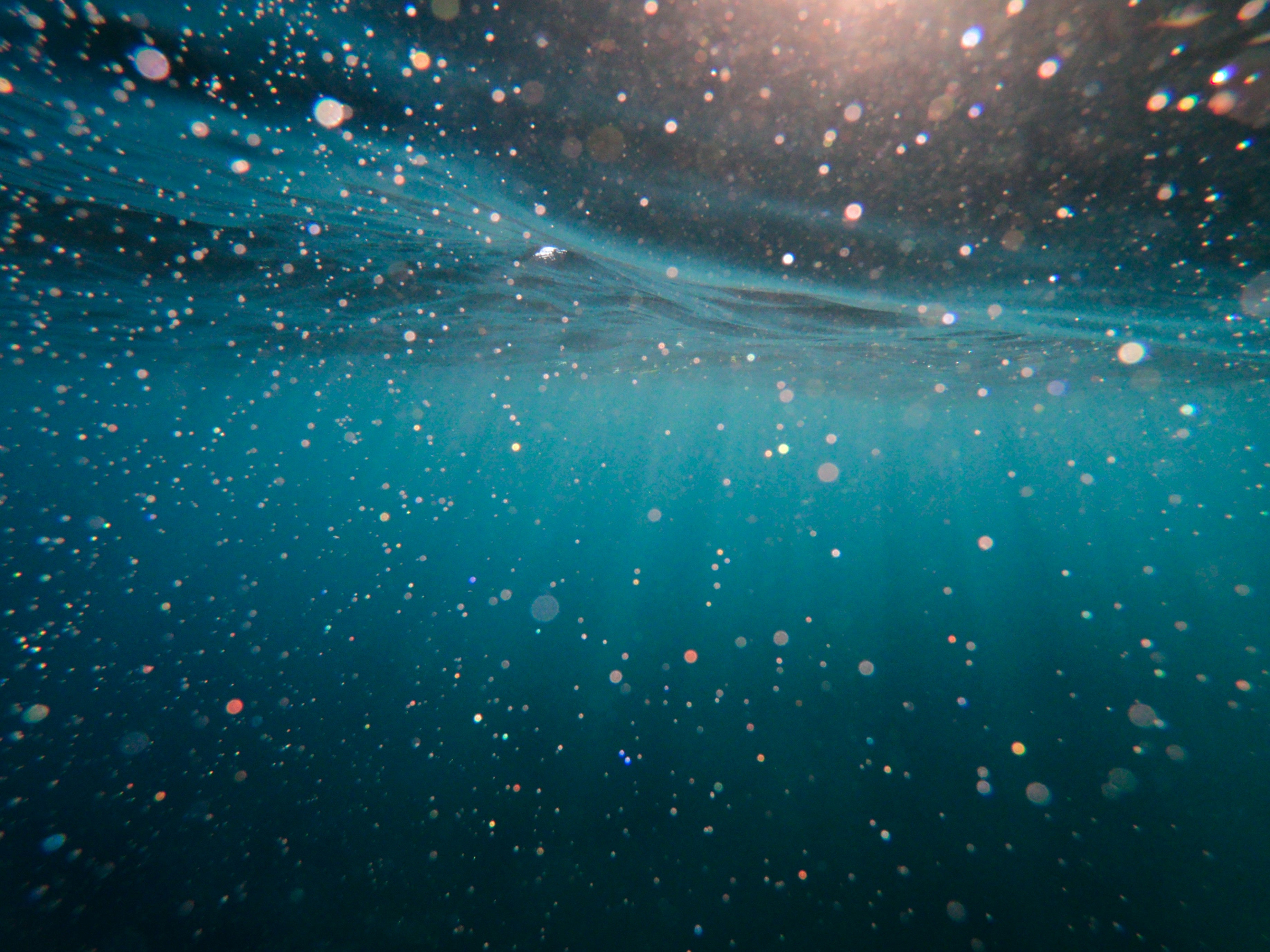
Oxygen on Earth is generally produced through photosynthesis, which takes place on land and in sunlit waters. For this reason, the deep seabed, at depths of thousands of meters, has long been known as an environment that only consumes oxygen through biological activity and chemical reactions. The presence of new oxygen in entirely dark regions has received almost no attention in oceanographic studies.
Oxygen, however, has also been detected on the deep seabed that receives no sunlight at all. This phenomenon, known as dark oxygen production, was discovered in the Clarion Clipperton Zone (CCZ) in the Pacific Ocean through observations using a benthic chamber. The increase in oxygen concentration is thought to be related to the electrochemical properties of polymetallic nodules, which are capable of generating electrical potential differences that trigger the formation of oxygen from seawater. This finding opens up the possibility of oxygen production mechanisms that were previously poorly understood in the deep-sea environment.
Oxygen Emerges from the Dark Seabed
The research was conducted in the Clarion Clipperton Zone (CCZ) in the Pacific Ocean, using a benthic chamber placed in situ on the seabed. This device was used to observe changes in oxygen concentration in the benthic environment while benthic organisms were respiring. In general, oxygen levels within the observation chamber were expected to decline continuously due to biological activity. Interestingly, several observation points actually showed an increase in oxygen concentration, prompting the researchers to conduct repeat tests using different methods and instruments.
The verification results showed the same pattern, thus ruling out the possibility of measurement errors. Given that the research site is at a depth of approximately 4,000 meters, where no sunlight penetrates, the increase in oxygen cannot be attributed to photosynthesis. This finding indicates the existence of another mechanism capable of producing oxygen in the deep sea and expands our understanding of biogeochemical processes occurring in abyssal ecosystems.
The Role of Polymetallic Nodules in Oxygen Formation
Polymetallic nodules are mineral deposits that form very slowly on the seabed and contain manganese, nickel, copper, and cobalt. In addition to their value as an important mineral resource, these nodules also form part of the habitat for various deep-sea organisms. In this study, polymetallic nodules are thought to have a broader role, as they are linked to the formation of oxygen in environments that receive no sunlight. This hypothesis emerged after researchers found increased oxygen concentrations in areas abundant with polymetallic nodules.
Measurements indicate that polymetallic nodules are believed to be capable of generating natural electrical potential differences that trigger electrochemical reactions in seawater. The researchers associate this mechanism with the concept of a geobattery a natural flow of electrons resulting from differences in mineral characteristics within the nodules. Although this mechanism still requires further proof, the finding suggests that polymetallic nodules may have a more complex ecological function than previously understood, potentially opening new avenues of research into deep-sea biogeochemical processes.
image source:
https://unsplash.com/id/foto/badan-air-3leBubkp5hk
Writer: Elvan Gamaliel