Marine Viruses Reveal the Importance of the Microbial Loop in Ocean Ecosystems
3 months ago
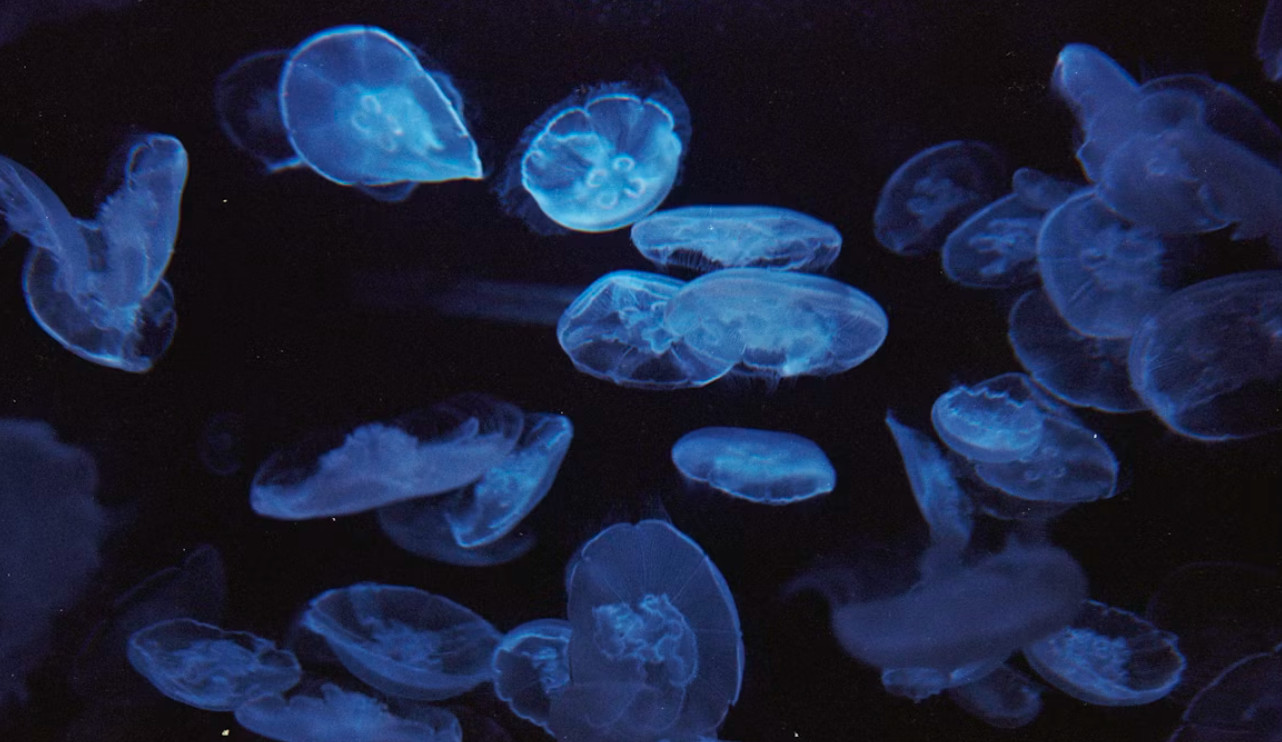
Over the past few decades, attention to marine ecosystems has focused more on macroscopic organisms such as fish, coral reefs, and photosynthetic plankton. However, marine microbiology research shows that the most decisive ecological processes occur at the microscopic scale, where interactions between viruses and microorganisms play an important role in regulating community dynamics and material flows in marine systems. The abundance of viruses makes them a key component influencing the stability of microbial communities in various marine environments.
Marine Viruses as Hidden Regulators of Microbial Communities
In marine ecosystems, viruses act as controllers of microorganism populations through infection processes that cause host cell death. This mechanism is often referred to as top-down control, where viruses selectively infect certain groups of microorganisms, thereby preventing the dominance of specific species within microbial communities. With this infectious pressure, the structure of microbial communities can remain diverse and stable, ultimately supporting the overall balance of marine ecosystems.
In addition to functioning as agents of microbial mortality, viruses are also known to carry various additional genes that have the potential to influence host cell metabolism. Recent genomic studies show that some marine viruses have auxiliary metabolic genes that can modulate carbon and energy metabolism pathways in infected microorganisms. The presence of these genes indicates that viruses not only affect the number of organisms in microbial communities, but can also alter the physiological activity and metabolism of microorganisms during the infection process.
The interaction between viruses and microorganisms has a broad ecological impact on community structure and energy flow in marine ecosystems. Variations in viral composition can affect bacterial community composition and microbial productivity in various marine environments, from coastal waters to the open ocean. Therefore, understanding the ecology of marine viruses is increasingly important in explaining the dynamics of microbial communities and their ecological functions on an ecosystem scale.
The Role of Microbial Loops in Nutrient Recycling in the Ocean
One of the main consequences of viral activity in marine ecosystems is the formation of microbial loops, which are pathways of energy and nutrient flow involving microorganisms as links between dissolved organic matter and marine food webs. In this mechanism, organic matter released from microbial cells that undergo lysis due to viral infection is reused by heterotrophic bacteria. These bacteria then become a source of energy for microzooplankton organisms, allowing nutrients to re-enter the marine food chain.
The process of organic material release due to viral lysis is known as viral shunt, which is a mechanism that diverts microbial biomass from the classic trophic pathway to the dissolved organic matter pool. This mechanism allows carbon, nitrogen, and phosphorus contained in microbial cells to be rapidly recycled by other microbial communities. In nutrient-poor marine ecosystems, such as oligotrophic areas in the open ocean, the process of nutrient recycling through viral shunt is an important component in maintaining ecosystem productivity.
Furthermore, the microbial loop not only functions as a nutrient recycling mechanism, but also as a system that maintains the efficiency of energy transfer in marine ecosystems. By facilitating the reuse of organic matter by microorganisms, the microbial loop ensures that the energy produced in microalgal photosynthesis is not completely lost from the system, but remains available to various trophic levels in the marine food web. Therefore, the relationship between viral activity and the microbial loop is one of the key processes linking microorganism dynamics to the stability of global marine ecosystem function.
Given the significant role of viruses in regulating microbial communities and facilitating nutrient recycling through the microbial loop, research on marine virus ecology needs to be prioritized and integrated into modern oceanographic studies so that our understanding of ecosystem dynamics and marine biogeochemical cycles can develop more comprehensively.
image source:
https://unsplash.com/photos/a-group-of-jellyfish-swimming-in-the-water-ZFcx2C2gb9g
Writer: Nazwa Maharani