The Transformation of Underwater Communication: The Role of Artificial Intelligence and Hybrid Systems in Addressing Marine Environmental Challenges
2 months ago
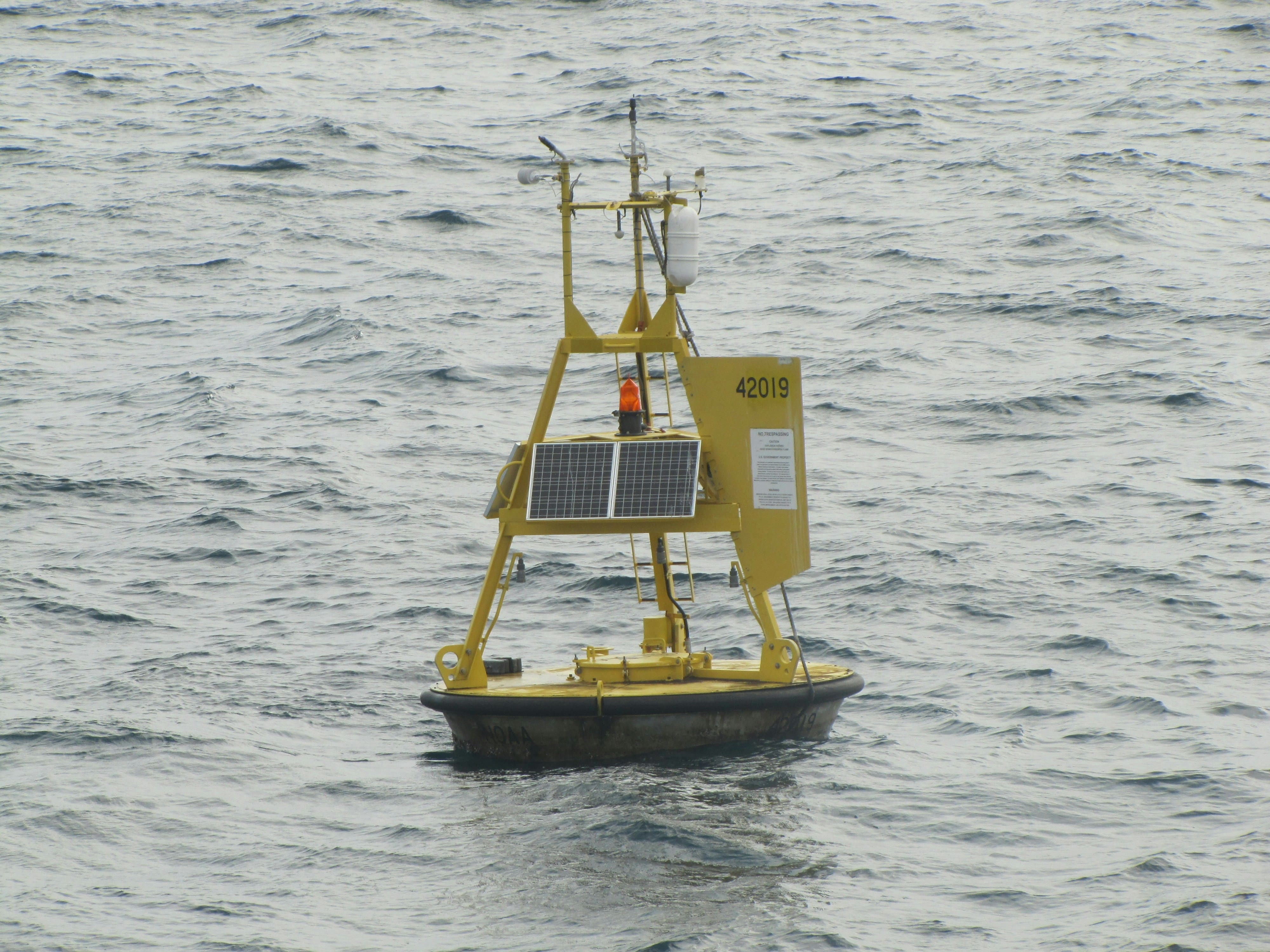
Underwater communication is vital for a wide range of activities in aquatic environments, such as research, resource exploration and security systems. Underwater communication typically involves the transmission of information through water using specific technologies. As the use of the oceans for economic and ecological purposes increases, efficient communication systems are becoming increasingly important.
Compared to terrestrial and aerial environments, the underwater environment is highly complex. Seawater can absorb and interfere with communication signals, complicating the data transmission process. To address this, several communication techniques such as electromagnetic, acoustic, and optical waves have been developed. However, each method has limitations in terms of stability, range, and speed. Advances in underwater communication technology are leading to the utilisation of artificial intelligence (Ai) and hybrid systems.
The Role of Artificial Intelligence in Underwater Communication
The use of AI for underwater communication enhances system efficiency. Devices can analyse environmental conditions in real time—such as water turbidity, signal interference and the distance between devices—using this technology, enabling the system to determine the most appropriate communication method for the situation.
AI improves efficiency and maintains the stability of underwater communication networks. As the system can mitigate environmental interference, the data transmission process becomes more optimal. This means communication is more effective than conventional methods. Conversely, communication systems are now more flexible and no longer reliant on manual configuration thanks to AI.
Hybrid Systems as an Adaptive Solution for Underwater Communication
The hybrid method in underwater communication is an approach that combines several technologies to improve the overall performance of the system. Generally, the methods used include acoustic, optical and electromagnetic communication. Acoustic communication is capable of covering greater distances, but has a relatively low transmission speed. Conversely, electromagnetic communication can transmit data more quickly, but its range is limited.
By combining these methods, Hybrid system can compensate for the shortcomings of each individual technology. This approach makes the communication process more flexible and less reliant on any single method. Furthermore, hybrid systems are considered more effective in coping with dynamic marine environmental conditions, thereby maintaining communication stability across a variety of changing situations.
Conclusion
From the discussion above, it is clear that underwater communication plays a vital role in various maritime activities, yet it is not without its challenges due to the frequently changing environmental conditions. Consequently, the use of artificial intelligence (AI) and hybrid systems offers a highly effective solution for enhancing the efficiency and reliability of communication.
AI makes systems more adaptive as it can directly interpret environmental conditions, whilst hybrid systems provide flexibility by combining multiple communication methods. Thus, should one method experience disruption, alternative methods remain available. Overall, this technology holds great potential for continued development and for supporting maritime sector needs. However, its implementation must take into account its environmental impact to ensure it does not harm marine ecosystems.
Writer: Irgi Nazili Dwi Wijaya